When it comes to international trade, one decision can significantly affect your costs, delivery timelines, and overall supply chain efficiency: choosing between air freight and sea freight. Both shipping methods have distinct advantages, and understanding which one suits your business needs is essential for smooth import and export operations.
Understanding Air Cargo
Air freight is the preferred choice for businesses that prioritize speed. If you’re shipping perishable goods, high value items, or urgent orders, air cargo offers fast transit times that sea freight simply cannot match. Shipments that would take weeks by sea can often arrive within days by air. This makes air freight ideal for industries like electronics, pharmaceuticals, and fashion, where time sensitive delivery is critical to maintaining customer satisfaction and market competitiveness.
However, speed comes at a cost. Air cargo rates are generally higher than sea freight, especially for bulky or heavy shipments. Businesses need to weigh the urgency of their goods against their budget before committing to this option.
Understanding Sea Cargo
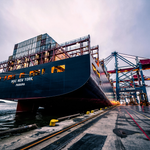
Sea freight remains the backbone of global trade, handling the vast majority of international cargo volume. It’s the most cost effective solution for shipping large quantities of goods, raw materials, and heavy machinery across long distances. While transit times are longer, sea cargo offers excellent value for businesses that can plan their supply chain in advance.
Sea freight is particularly suitable for industries such as manufacturing, construction, and retail, where bulk shipments and lower per unit shipping costs matter more than speed. With proper planning and a reliable logistics partner, sea cargo can keep operational costs low while maintaining consistent supply flow.
Factors to Consider Before Choosing
Selecting the right shipping method depends on several factors. Consider the nature of your goods, including weight, volume, and perishability. Evaluate your delivery timeline and how urgently your customers expect their orders. Factor in your budget, since air freight and sea freight differ significantly in pricing structures. Finally, think about the destination and trade routes available, as some regions are better served by one method over the other.
Many successful businesses use a hybrid approach, relying on sea freight for regular bulk shipments while using air cargo for urgent or high priority orders. This strategy balances cost efficiency with flexibility.
The Role of Customs Clearance and Documentation
Regardless of which shipping method you choose, smooth customs clearance is essential to avoid delays at ports and airports. Proper documentation, accurate invoicing, and compliance with import and export regulations can make the difference between a shipment that clears quickly and one that gets stuck for days. Partnering with an experienced logistics provider ensures your paperwork is handled correctly the first time, reducing the risk of costly hold ups.
Why Working with a Trusted Logistics Partner Matters
Whether you choose air cargo or sea cargo, the success of your shipment depends heavily on the logistics provider managing it. A reliable freight forwarding partner coordinates every step of the journey, from packaging and documentation to customs clearance and final delivery. This reduces risks, minimizes delays, and gives businesses the confidence to scale their import and export operations without worrying about logistical bottlenecks.
At Nexa Worth, we understand that every business has unique shipping requirements. Our team offers comprehensive air cargo, sea cargo, road freight, and customs clearance services designed to keep your supply chain moving efficiently. We work closely with businesses to recommend the most practical shipping solution based on cost, urgency, and destination, ensuring your goods reach their destination safely and on time.
Final Thoughts
There’s no one size fits all answer when it comes to air freight versus sea freight. The right choice depends on your business priorities, whether that’s speed, cost savings, or a balance of both. By understanding the strengths of each method and partnering with a knowledgeable logistics provider, businesses can build a more resilient and efficient supply chain that supports long term growth in global trade.