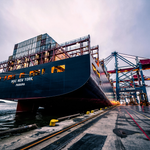
Every business involved in international trade knows the excitement of a confirmed order or a secured supplier deal. But between placing a shipment and receiving it, one process carries more weight than almost anything else: customs clearance. It is the stage that determines whether your goods move freely across borders or sit in a warehouse accumulating delay fees and losses.
What Is Customs Clearance and Why Does It Matter
Customs clearance is the official process through which goods are authorized to enter or exit a country. Every shipment moving across international borders must pass through this process before it can reach its final destination. Government authorities review the shipment details, verify compliance with import and export regulations, assess applicable duties and taxes, and either approve or hold the cargo based on their findings.
When customs clearance is handled correctly, shipments move quickly and businesses maintain healthy delivery timelines. When it is mismanaged, even a single documentation error can result in shipment holds, financial penalties, and damaged business relationships that take months to repair.
Common Reasons Shipments Get Delayed at Customs
Delays at customs are far more common than most businesses realize, and the reasons are often preventable. Incorrect or incomplete documentation is the leading cause of clearance problems. Misclassified goods under the wrong tariff code, undervalued invoices, missing certificates of origin, or inaccurate weight and quantity declarations can all trigger holds at the border.
Regulatory non-compliance is another major issue. Different countries have different import restrictions, licensing requirements, and prohibited goods lists. A product that moves freely in one country may require special permits in another. Without proper knowledge of destination country regulations, businesses risk serious compliance violations that go far beyond simple delays.
The Role of Accurate Documentation in Smooth Clearance
Proper documentation is the foundation of hassle free customs clearance. Every international shipment requires a set of core documents including the commercial invoice, packing list, bill of lading or airway bill, certificate of origin, and any product specific permits or licenses. These documents must be accurate, consistent with each other, and submitted in the correct format required by the destination country.
Even minor discrepancies between documents, such as a difference in product description between the invoice and the packing list, can raise red flags with customs authorities and delay the release of your goods. Experienced freight forwarding partners review all documentation thoroughly before shipment to eliminate these risks at the source.
How Customs Duties and Taxes Affect Your Import Costs
One of the most financially significant aspects of customs clearance is the calculation and payment of import duties and taxes. These charges are determined by the tariff classification of your goods, their declared value, and the trade agreements in place between the exporting and importing countries.
Businesses that do not plan for these costs in advance often face unexpected financial pressure that cuts into profit margins. A knowledgeable customs clearance partner can help you understand applicable duty rates, identify exemptions under trade agreements, and structure your shipments in a way that minimizes unnecessary costs while maintaining full legal compliance.
The Value of Working with a Customs Clearance Expert
Navigating customs regulations without professional support is a risk that growing businesses cannot afford to take. Customs laws change frequently, trade policies shift, and the administrative burden of keeping up with compliance across multiple countries is enormous. A dedicated customs clearance expert brings the regulatory knowledge, industry connections, and process efficiency needed to keep your shipments moving without interruption.
At Nexa Worth, our customs clearance services are built around accuracy, compliance, and speed. Our team manages every aspect of the clearance process, from documentation preparation and tariff classification to duty payment and regulatory filing, so your goods reach their destination without unnecessary delays or surprise costs. We handle the complexity so your business can focus on what matters most: growth.
Building a Trade Strategy Around Reliable Clearance
Businesses that treat customs clearance as an afterthought consistently struggle with unpredictable delivery timelines and rising operational costs. Those that invest in a proactive clearance strategy, supported by experienced logistics professionals, gain a significant competitive advantage. Reliable clearance means faster market access, stronger supplier relationships, and a supply chain that operates with confidence rather than constant uncertainty.
Whether you are importing raw materials, industrial equipment, or finished consumer goods, the strength of your customs clearance process directly impacts the health of your entire business operation.
Conclusion
In international shipping, customs clearance is not just a formality. It is a critical business function that requires expertise, precision, and proactive management. Businesses that take it seriously protect their shipments, their finances, and their reputation in the global market. Partnering with a trusted logistics provider ensures your cargo crosses every border smoothly, efficiently, and fully compliant with all applicable trade regulations.